


4468-1 โครงเตียงลอยน้ำหุ้มด้วยไฟ LED
โครงเตียงลอยน้ำเป็นการผสมผสานที่
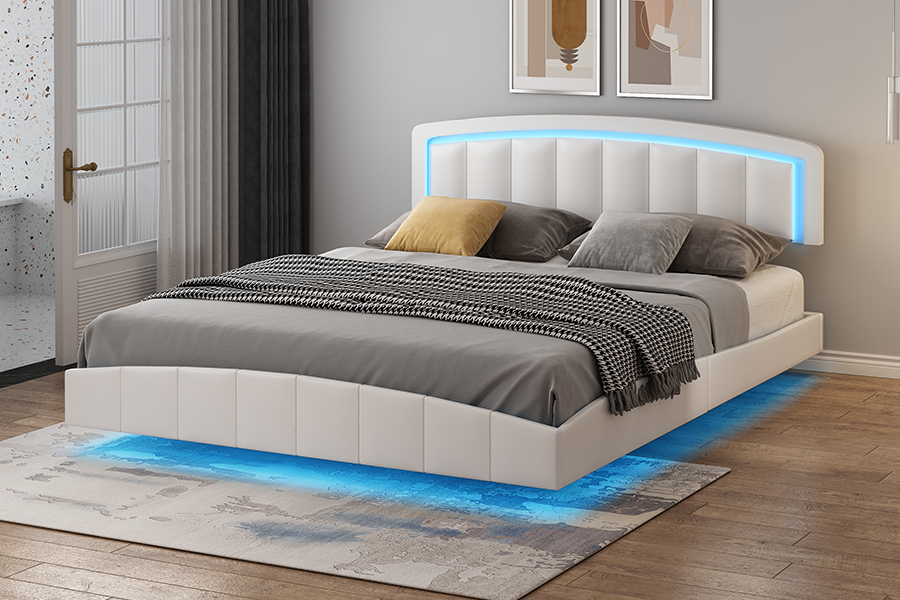
โครงเตียงลอยน้ำเป็นการผสมผสานที่
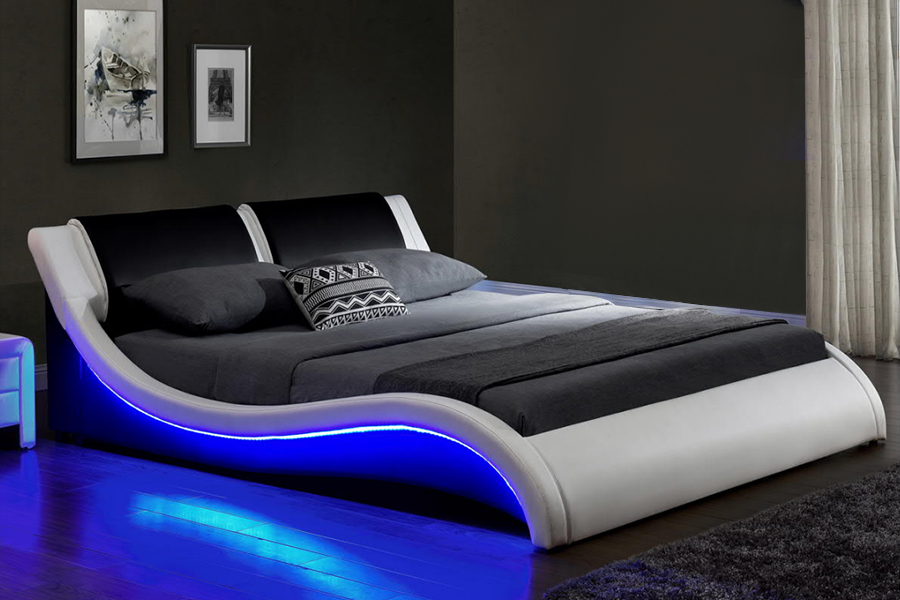
ก้าวสู่อนาคตของการออกแบบห้องนอนด
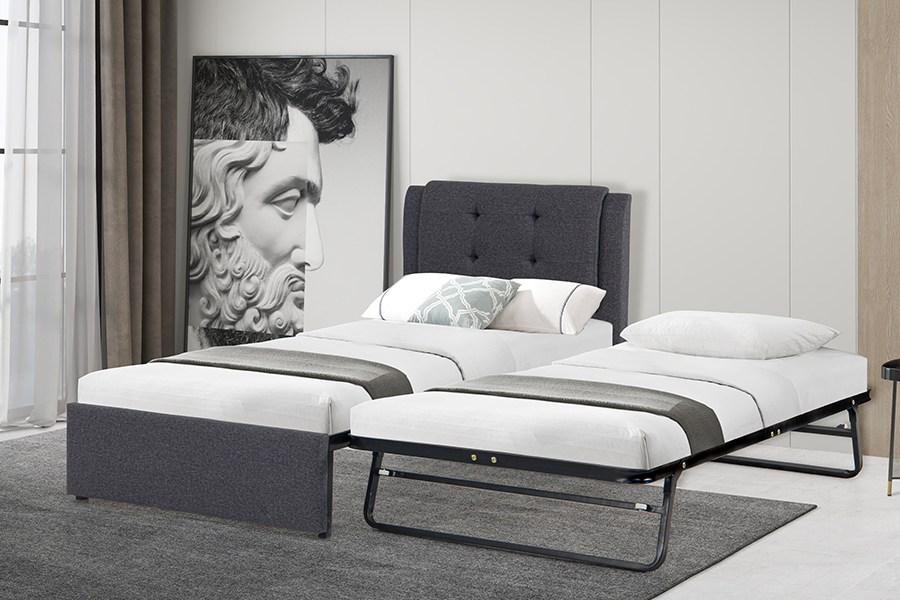
เตียงรวมแบบมัลติฟังก์ชั่นเป็นตัว
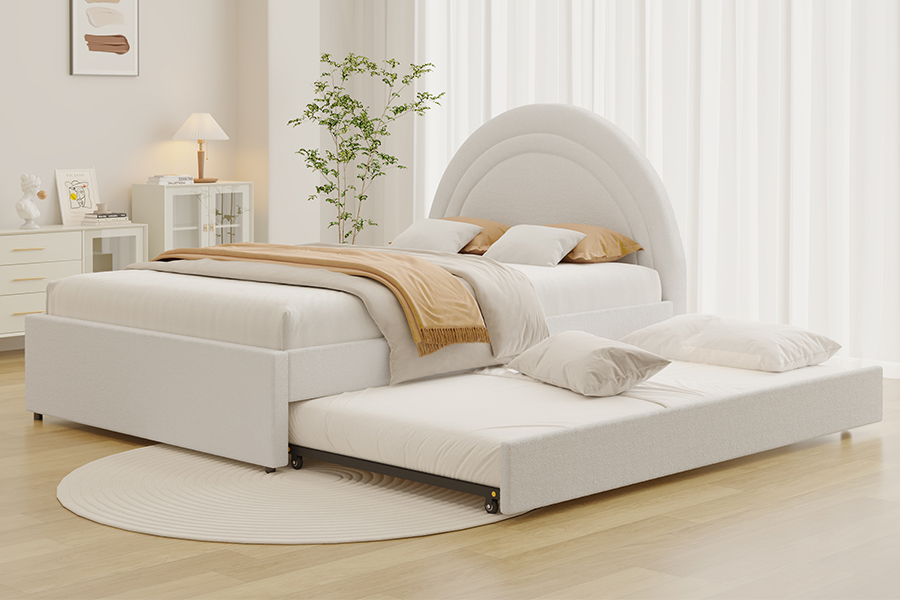
เตียงเก็บของทรงโค้งอเนกประสงค์ได
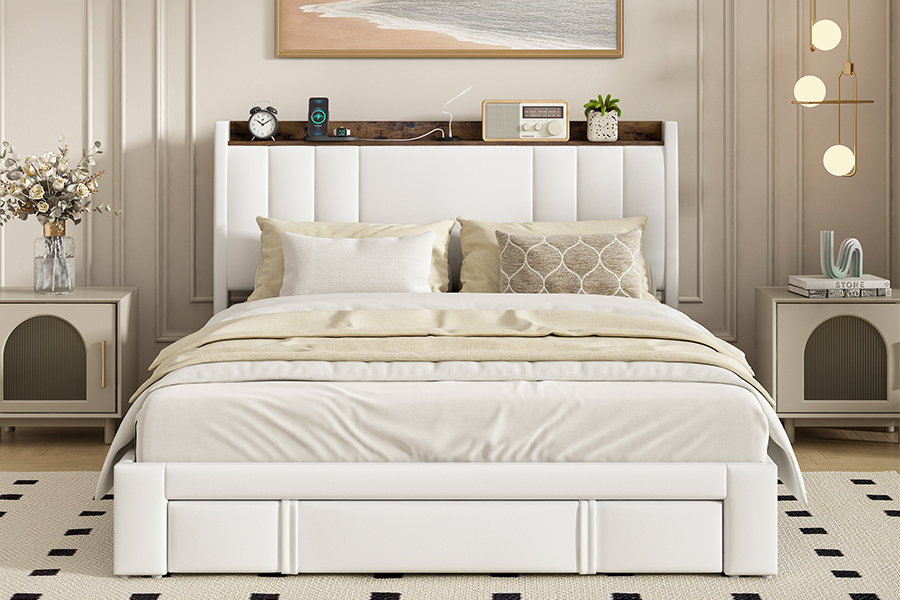
การออกแบบหัวเตียงแบบรวมมีแพลตฟอร
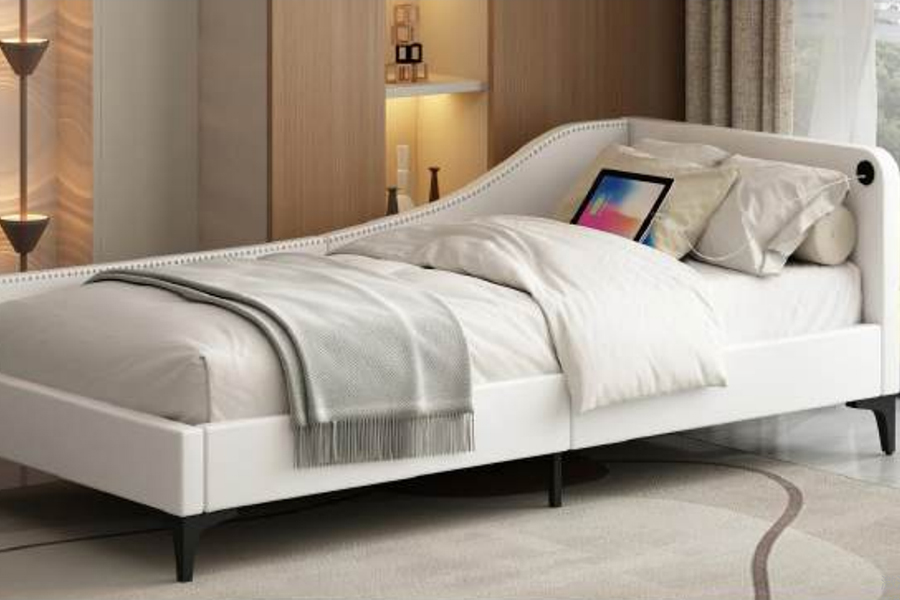
เตียงหนังรูปตัว L สไตล์มินิมอลลิสต
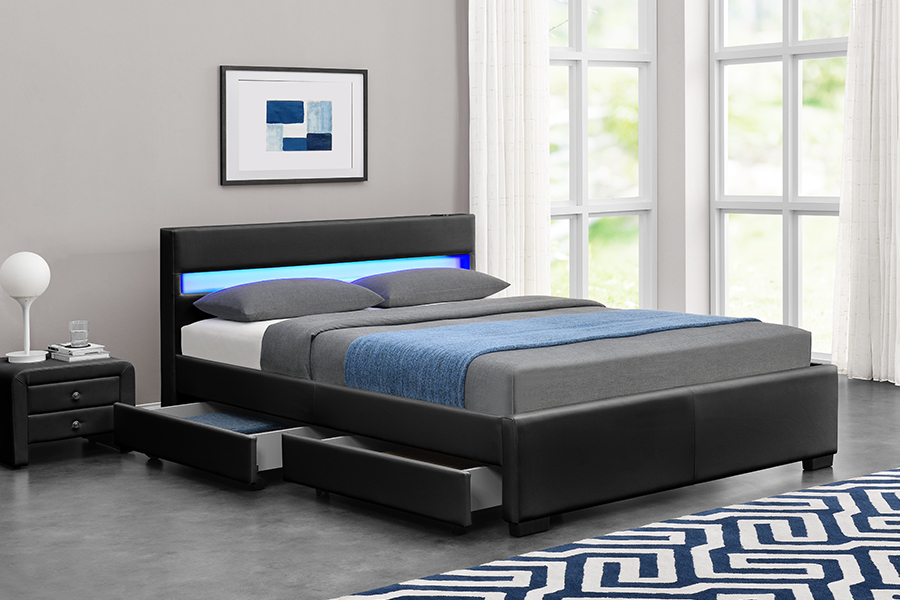
Smart Audio-Visual Storage Bed นิยามใหม่ของการใช้ชีวิ
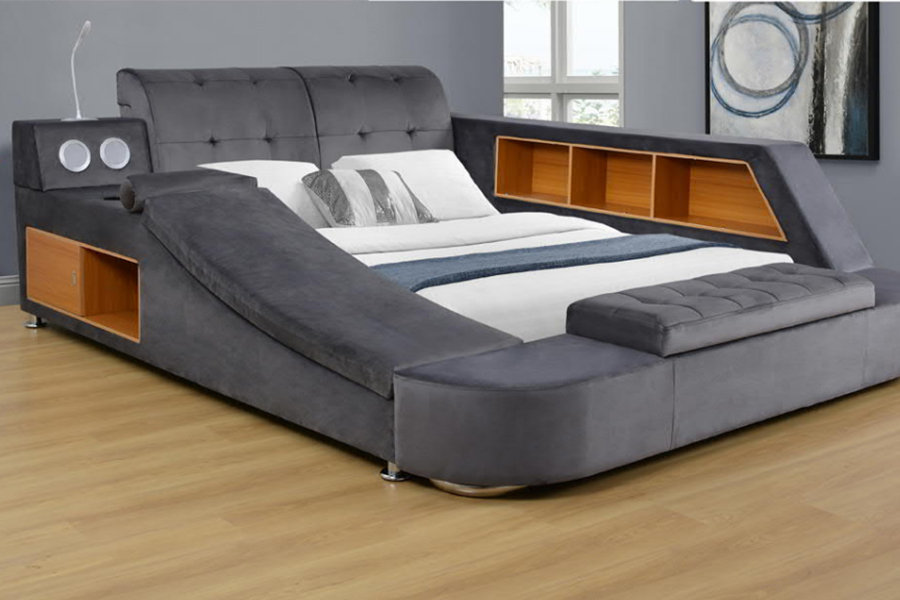
เตียงผ้าอัจฉริยะมัลติฟังก์ชั่น –
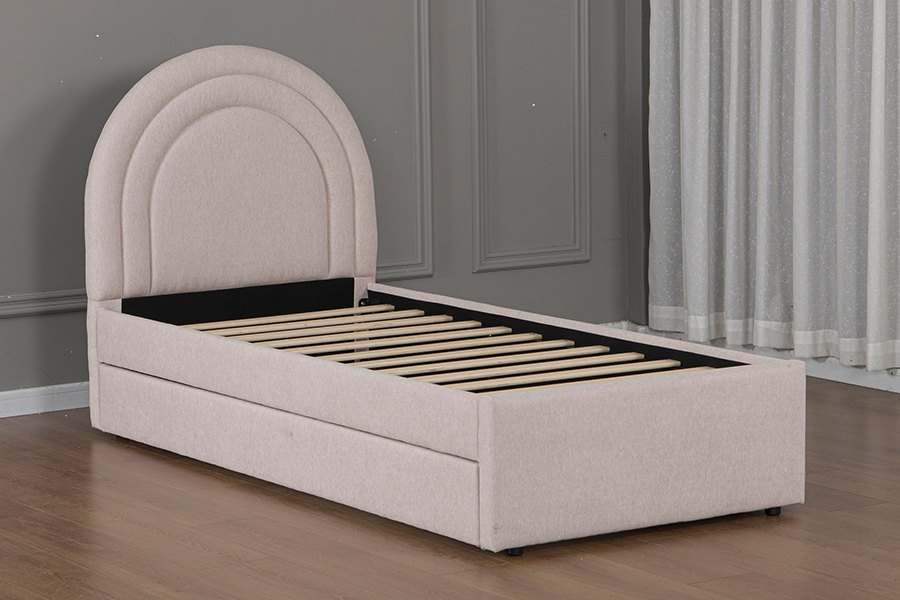
โครงเตียงหุ้มหัวเตียงแบบ Trundle Bunk รุ่
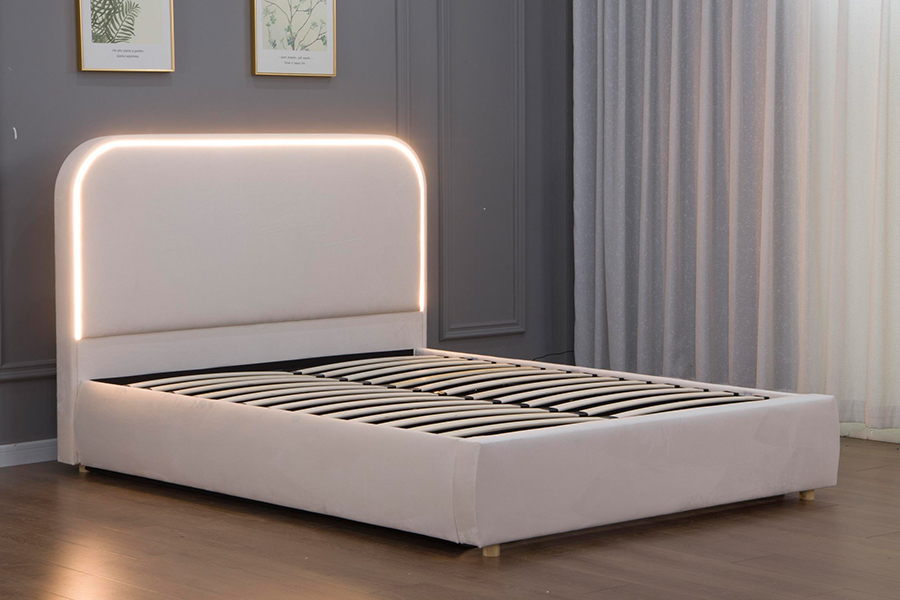
โครงเตียง 5032-1G ผสมผสานการออกแบบร่วม
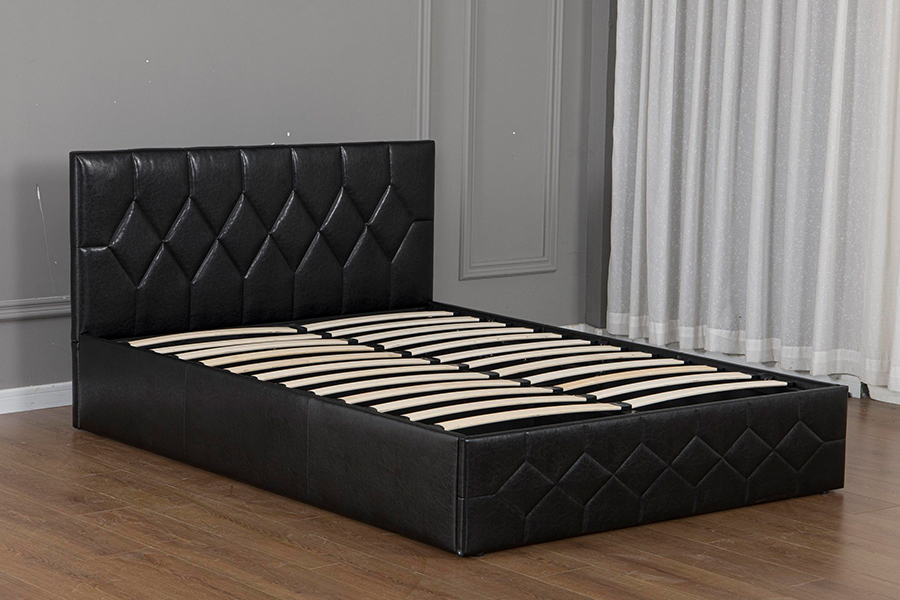
ยกระดับประสบการณ์การนอนหลับของคุ
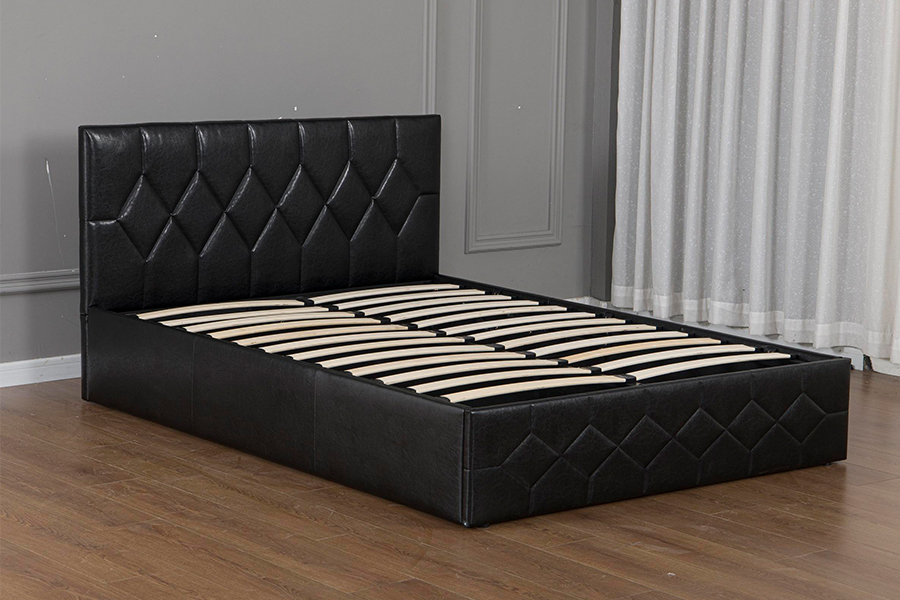
โครงเตียงบุนวมสีดำสนิทนี้ถือเป็น
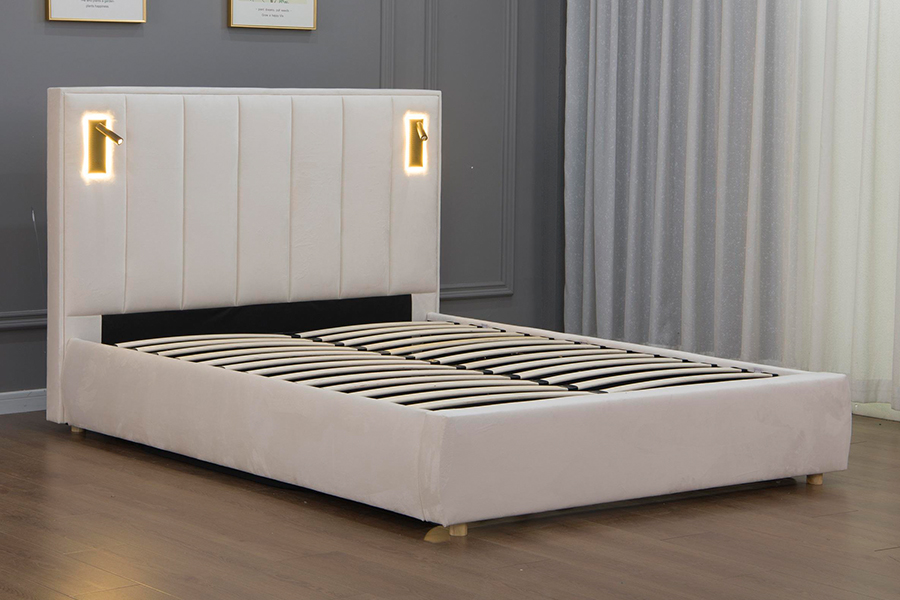
เตียงเก็บของแบบไฮดรอลิกอันทันสมั
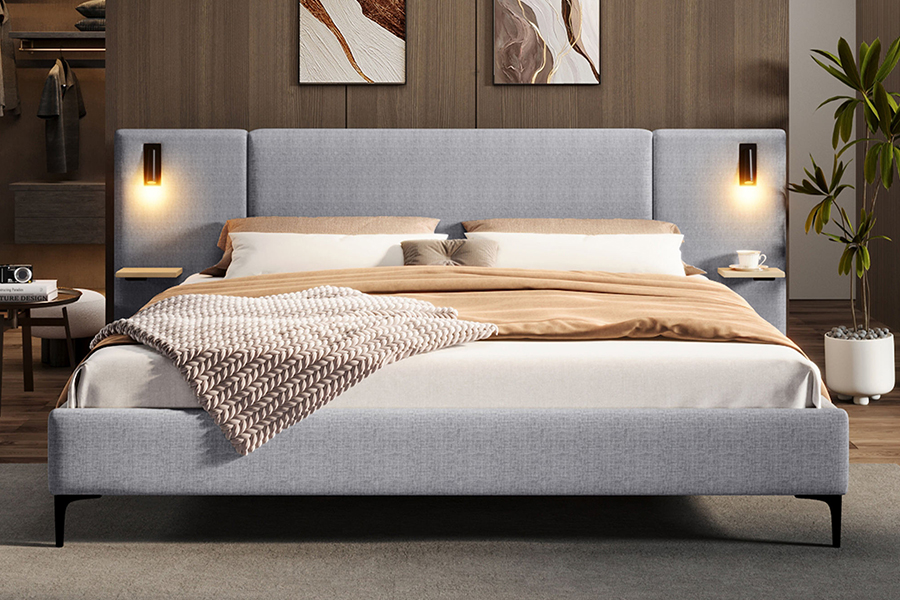
โครงเตียงหุ้มเบาะ LED แบบไม้ระแนงแข
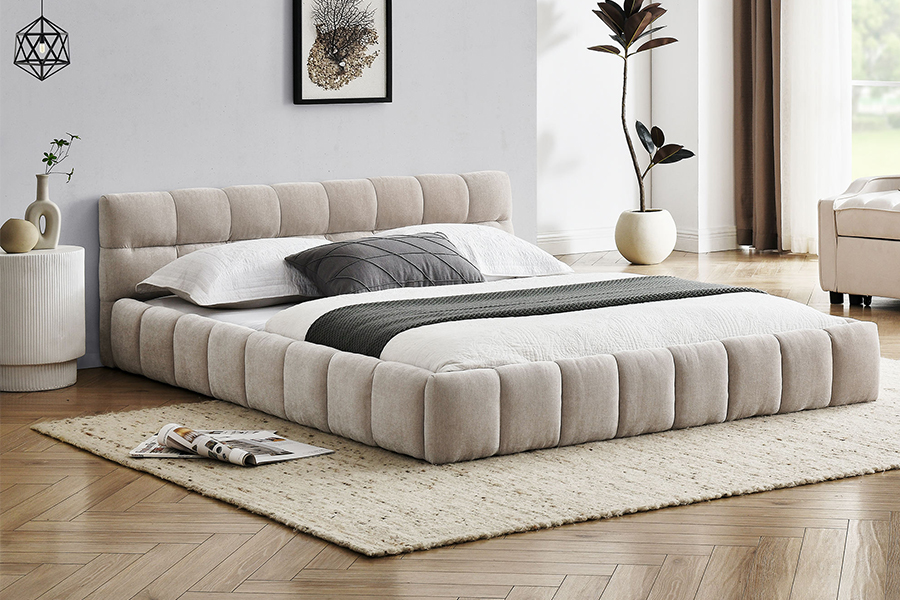
การออกแบบ N11 ทรงสี่เหลี่ยมทันสมัย
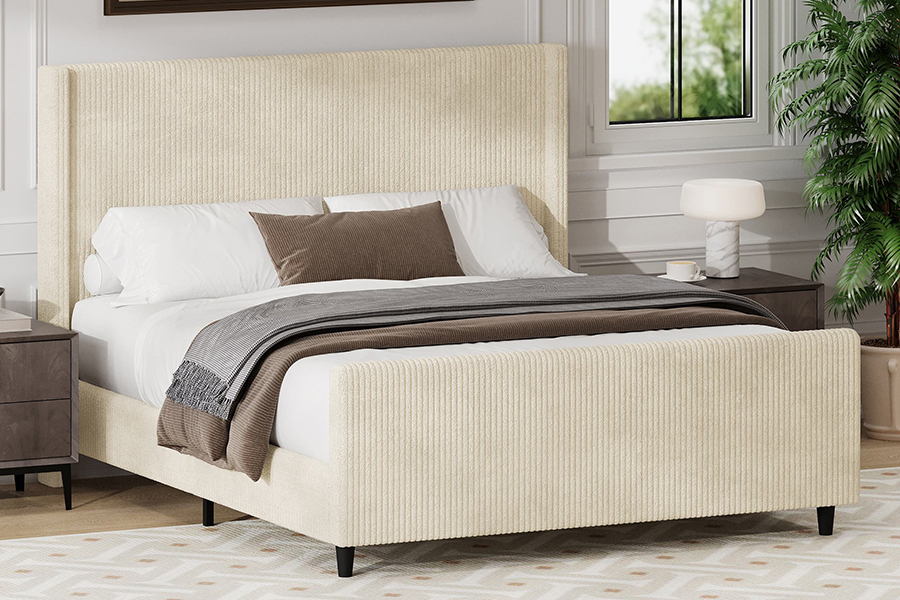
โครงเตียงหุ้มนวมแบบ Wingback แบบปรับได้
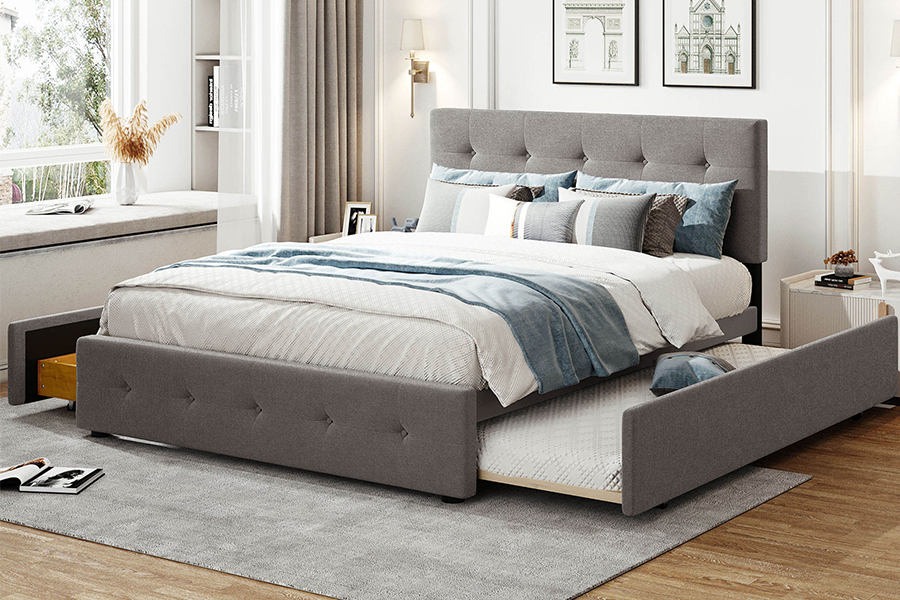
โครงเตียงหุ้มเบาะสองชั้นแบบ Trundle ที
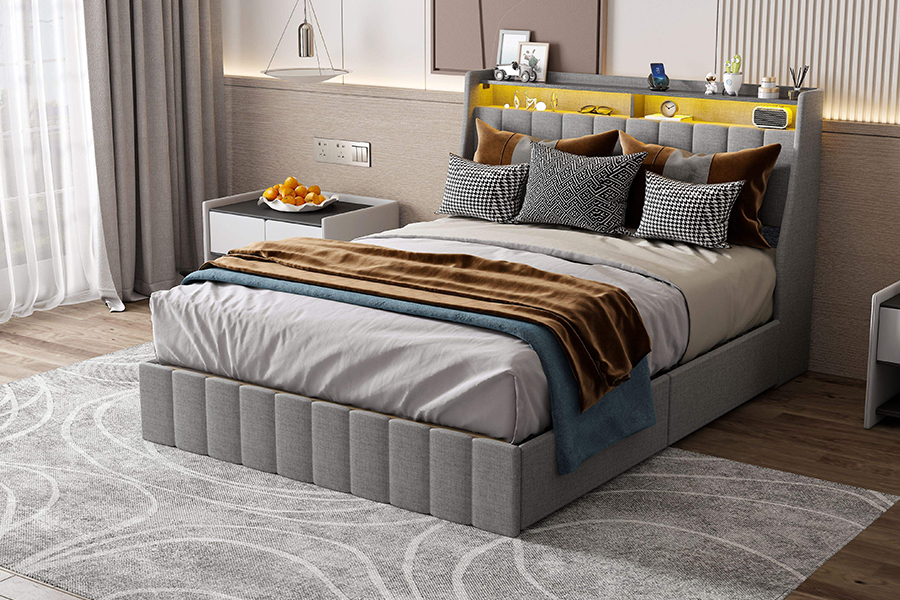
เตียงผ้าสีเทา N2 วัสดุเป็นมิตรกับสิ
โครงเตียงบุนวมเป็นการผสมผสานที่ลงตัวระหว่างสไตล์และความสบาย ช่วยให้ห้องนอนทุกห้องดูหรูหรา ภายนอกบุนวมที่นุ่มนวลสร้างบรรยากาศเงียบสงบ ทำให้เป็นตัวเลือกในอุดมคติสำหรับผู้ที่มองหาทั้งประโยชน์ใช้สอยและความสวยงาม โครงเตียงเป็นสถานที่พักผ่อนที่สะดวกสบาย ช่วยให้นอนหลับได้สบายและผ่อนคลายด้วยโครงสร้างที่แข็งแรงและพื้นผิวบุนวม
โครงเตียงหุ้มซีรีส์นี้มีดีไซน์หลากหลาย โดยแต่ละดีไซน์ตอบสนองรสนิยมและสไตล์การตกแต่งภายในที่แตกต่างกัน ไม่ว่าคุณจะชอบรูปลักษณ์คลาสสิก มินิมอล หรือการออกแบบร่วมสมัยที่โดดเด่นมากขึ้น มีโมเดลที่เหมาะกับธีมห้องนอนทุกห้อง วัสดุที่คัดสรรมาอย่างพิถีพิถันและงานฝีมือที่พิถีพิถันทำให้มั่นใจได้ถึงความทนทาน ในขณะที่รายละเอียดที่ประณีตช่วยเสริมความสง่างามโดยรวม
กรอบแต่ละชิ้นได้รับการออกแบบด้วยความใส่ใจในรายละเอียด ตั้งแต่ตัวเลือกผ้าคุณภาพสูงไปจนถึงความแม่นยำในการเย็บ มอบการผสมผสานระหว่างความสวยงามและการใช้งานจริง ด้วยโครงเตียงบุนวม ไม่เพียงแต่ทำให้ห้องนอนของคุณดูน่าดึงดูดยิ่งขึ้นเท่านั้น แต่ยังบ่งบอกสไตล์และความหรูหราที่เป็นเอกลักษณ์ของคุณ

ความยาวที่แน่นอนของเตียงขนาดคิงไซส์ของสหราชอาณาจักร เตียงขนาดคิงไซส์แบบอังกฤษ ยาว 200 ซม. (6'6") และกว้าง 150 ซม. (5'0") นั่นคือขนาดที่นอนที่ทั้งอุตสาหกรรมสร้างขึ้น ตั้งแต่ผู้ผลิตเครื่องนอนไปจนถึงซัพพลายเออร์โครง ดังนั้น เมื่อมีคนถามว่า "เตียงขนาด...
ดูเพิ่มเติมค้นหาแหล่งที่มาก่อนที่คุณจะแก้ไข การรับสารภาพทุกครั้งมีที่อยู่ที่แน่นอน แม้ว่าจะรู้สึกเหมือนดังมาจากทุกที่ในคราวเดียวก็ตาม ก่อนที่จะหยิบน้ำมันหรือประแจ ให้ใช้เวลาสองนาทีติดตามเสียงที่ดังลง ซึ่งเป็นขั้นตอนเดียวที่ช่วยประหยัดแรงที่สูญเปล่าได้มากที่สุด รื้อเตียงลงไ...
ดูเพิ่มเติมเหตุใดเฟอร์นิเจอร์ในห้องนอนจึงมีความเสี่ยงมากกว่าที่คิด แก้วน้ำที่ล้มบนโต๊ะข้างเตียง เครื่องทำความชื้นที่รั่วข้ามคืน หน้าต่างที่เปิดทิ้งไว้ระหว่างเกิดพายุ สิ่งเหล่านี้ไม่รู้สึกเหมือนเกิดเหตุฉุกเฉินในตอนนั้น แต่เฟอร์นิเจอร์ห้องนอนตั้งอยู่ใกล้กับแหล่งความชื้นในแต่ละวันม...
ดูเพิ่มเติมThe density of upholstery fabric plays a crucial role in the long-term performance of upholstered beds. High-density textiles such as tightly woven polyester blends resist pilling and stretching, making them ideal for households with pets or frequent usage. Conversely, low-density fabrics offer a softer touch but may show wear sooner, especially on frequently contacted areas like the headboard. Manufacturers often assess fabric durability using rub-count tests, and premium models typically exceed 20,000 cycles to ensure longevity in daily use.
One of the overlooked benefits of upholstered bed frames is their inherent noise-dampening structure. The combination of padded panels, fabric layers, and foam inserts absorbs micro-vibrations that would normally travel through wooden or metal frames. To further minimize noise, designers may add felt spacers between joints, rubberized foot pads, or reinforced corner brackets. These enhancements ensure that the bed remains stable and quiet, even during motion-heavy activities like turning or sitting up.
Modern upholstered beds use multi-layer padding systems that balance softness with structural integrity. A typical configuration may combine supportive high-density foam with softer surface foam, wrapped in breathable fiber batting to improve comfort when sitting against the headboard. Some manufacturers contour the padding to create ergonomically curved profiles, reducing back strain during prolonged reading or device use. These engineering methods ensure the headboard retains its shape while maintaining a plush feel.
| Layer | Function |
| High-Density Foam | Provides structural support and shape retention |
| Soft Surface Foam | Enhances comfort and tactile softness |
| Fiber Batting | Improves breathability and assists with uniform cushioning |
Because upholstered beds accumulate weight from the mattress, bedding, and users, internal reinforcement is essential. Manufacturers often integrate hardwood support rails and steel brackets within the padded exterior to maintain structural rigidity. Center support beams reduce sagging, while additional foot posts distribute load more evenly. These hidden reinforcements ensure that the bed frame remains stable without compromising the soft, luxurious appearance of the upholstery.
Upholstered bed frames are more susceptible to staining and moisture absorption than wood or metal structures. To address this, modern upholstery fabrics often receive protective coatings that repel liquids and prevent permanent marks. Some high-performance textiles use nano-treatment technology that maintains breathability while resisting spills. For humid climates, moisture-wicking backings help reduce mold risk by allowing air to circulate behind the fabric layers. Combined, these features improve hygiene and extend the lifespan of the bed.
Upholstered bed frames are increasingly used as multifunctional furniture platforms. Designers incorporate integrated storage drawers, gas-lift compartments, or concealed shelves within the frame while preserving a seamless fabric exterior. Smart features—such as USB charging ports, LED lighting, or built-in Bluetooth speakers—are added through concealed wiring channels to maintain aesthetic simplicity. This combination of comfort, function, and modern technology aligns well with contemporary bedroom needs while keeping the overall silhouette soft and inviting.
Material selection strongly influences maintenance requirements, appearance, and service life. Velvet offers a rich texture and deep color saturation but requires gentle care to prevent pressure marks. Linen blends provide a breathable, natural aesthetic but may wrinkle if not properly tensioned during installation. Faux leather is easy to clean and ideal for families, though it may feel cooler to the touch. Each material responds differently to temperature, friction, and lighting, making it important to match fabric characteristics with intended usage.
| Material | Strengths | Considerations |
| Velvet | Luxurious feel, strong visual impact | Requires gentle care; pressure marks may appear |
| Linen Blend | Breathable, natural texture | Prone to wrinkling; must be tightly upholstered |
| Faux Leather | Easy to clean, water-resistant | May feel cooler; can crack if low quality |

Baishijian Rd, เขตพัฒนาเศรษฐกิจ Langxi, Langxi, Anhui 242100, China
+86 563 7375018 (สำนักงาน)
+86 15956277532 (มือถือ)
[email protected] (อีเมล)
ติดต่อเราเพื่อรับแรงบันดาลใจล่าสุดและแคตตาล็อกสินค้าล่าสุดของเรา
